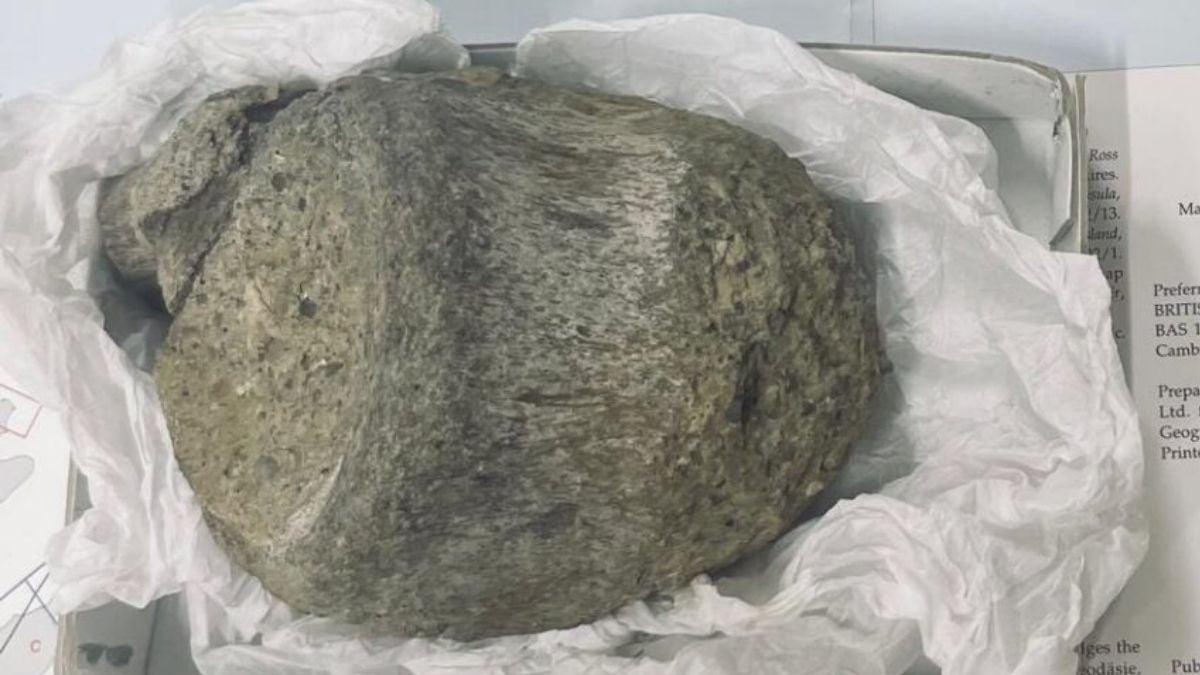

Fossil Kept in a Drawer For 40 Years Turns Out to Be Antarctica's First Evidence of Dinosaurs
We're kind of glad scientists are hoarders.

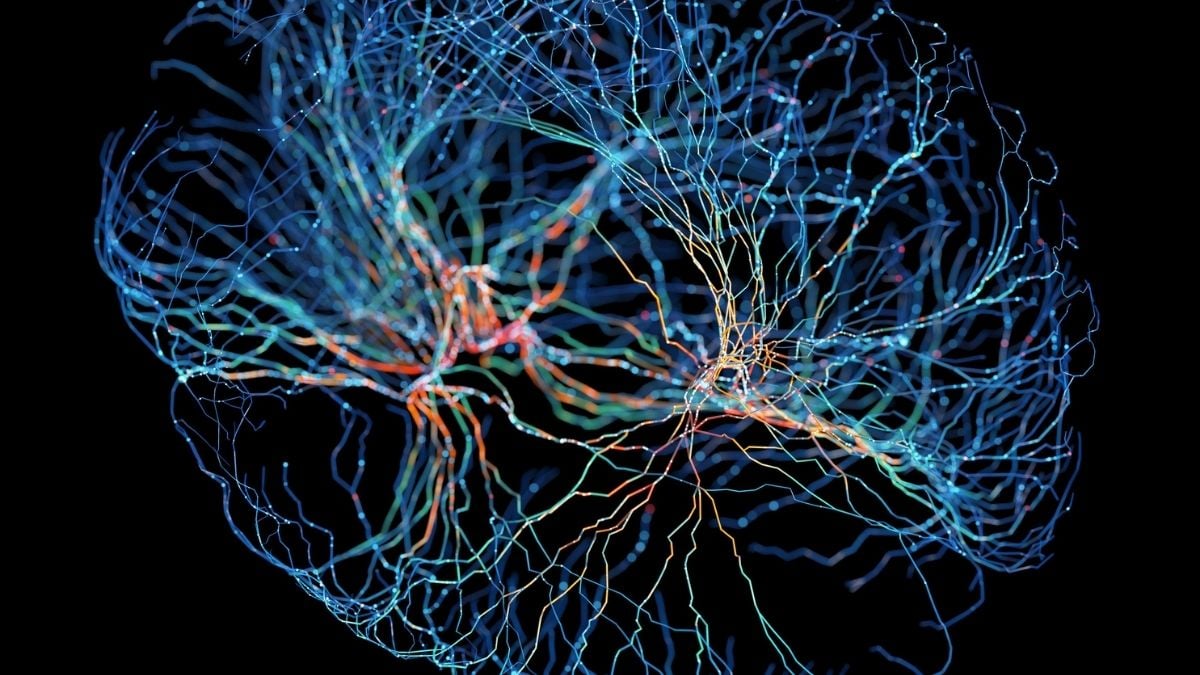
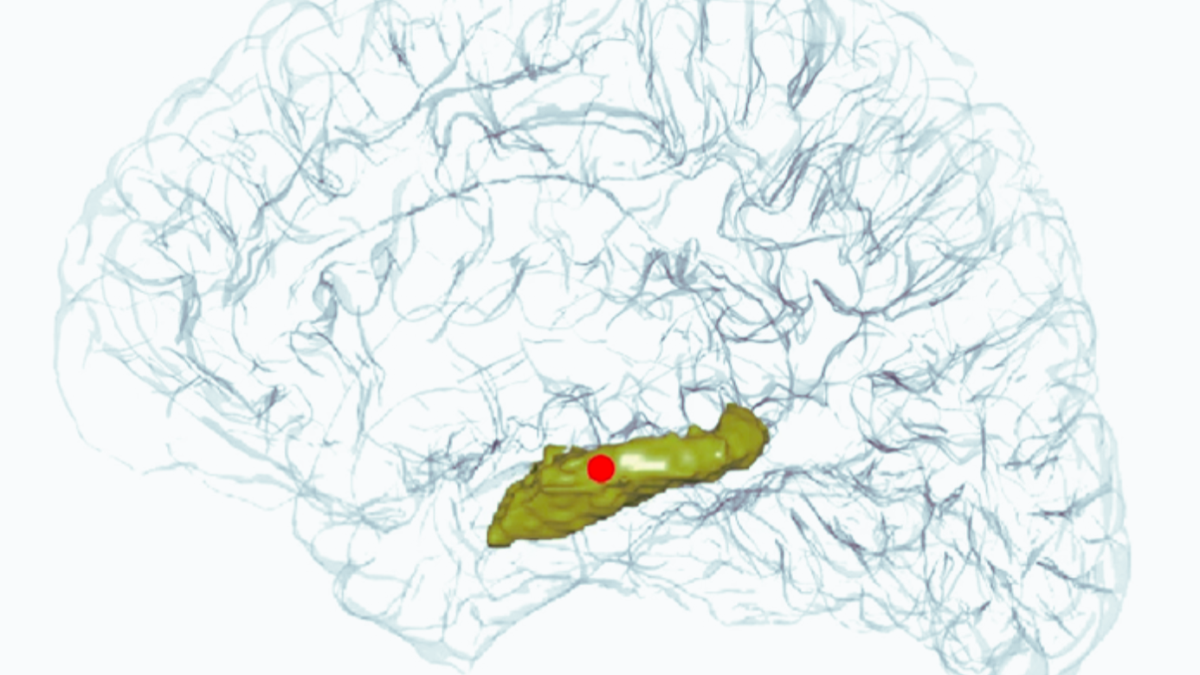
Scientists Find Brain's Ancient 'Focus Switch' – And It Controls Attention
"When we inactivate these neurons, the mice become hyper distractible."

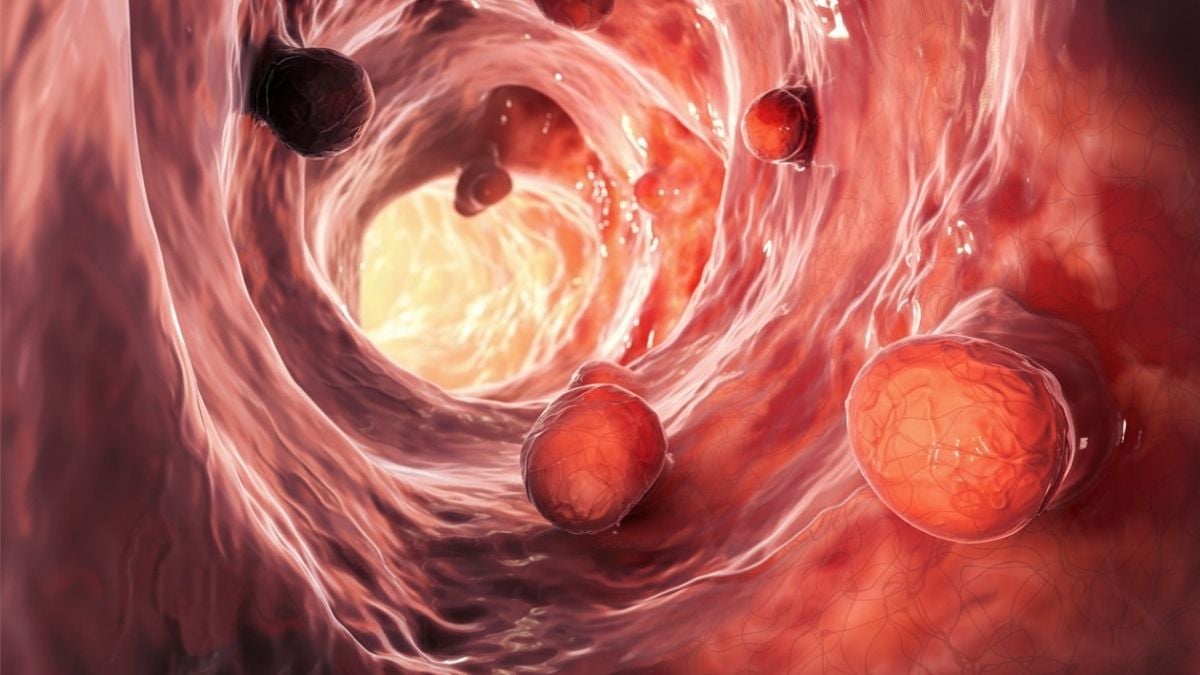
Gut Microbiome Could Remain Disrupted For Over a Decade After Polyp Removal
This could explain a lot.

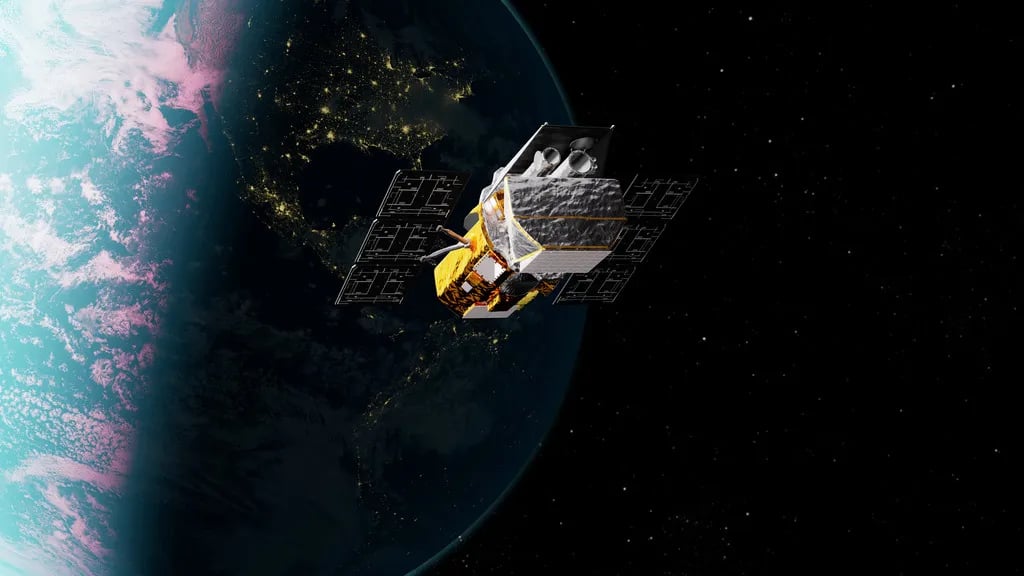
Heads Up: NASA to Launch 'Daring' Telescope Rescue Mission This Week
An unprecedented mission.

Mammoth Structure Found in Deep Space Challenges Our Understanding of The Universe

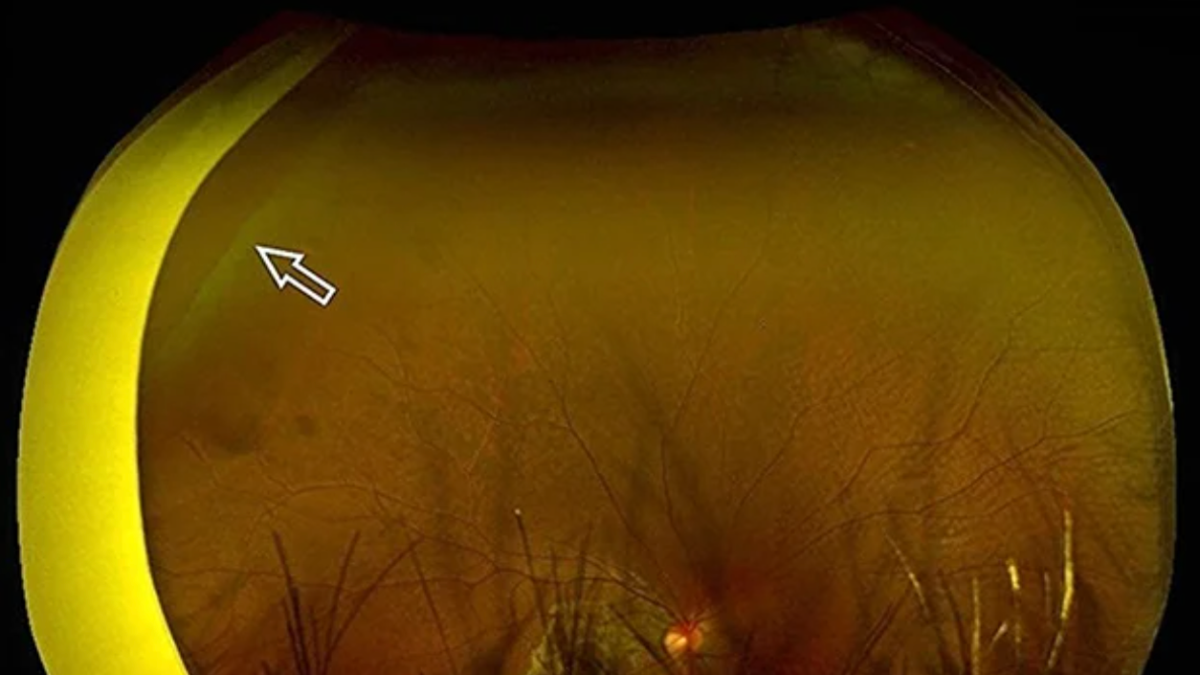
Disturbing Case Study Shows Why You Should Never Use a Massage Gun Near Your Eyes

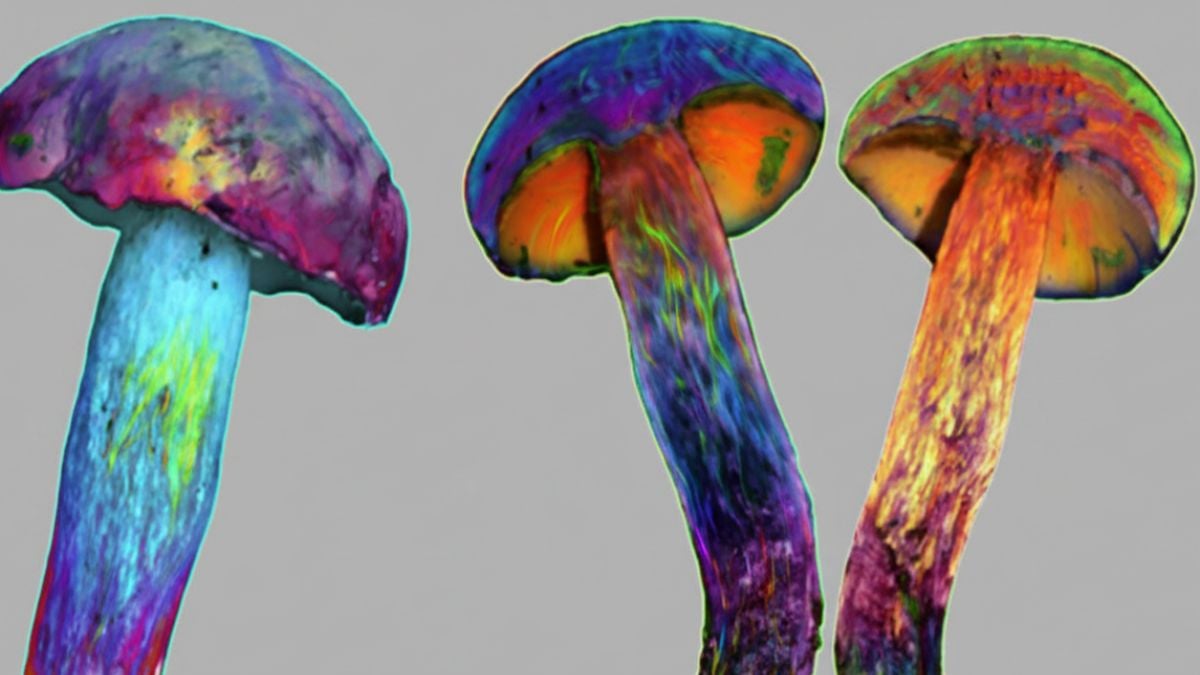
This Is Awkward: Mushrooms That Cause 'Tiny Human' Hallucinations Don't Contain Psychedelics

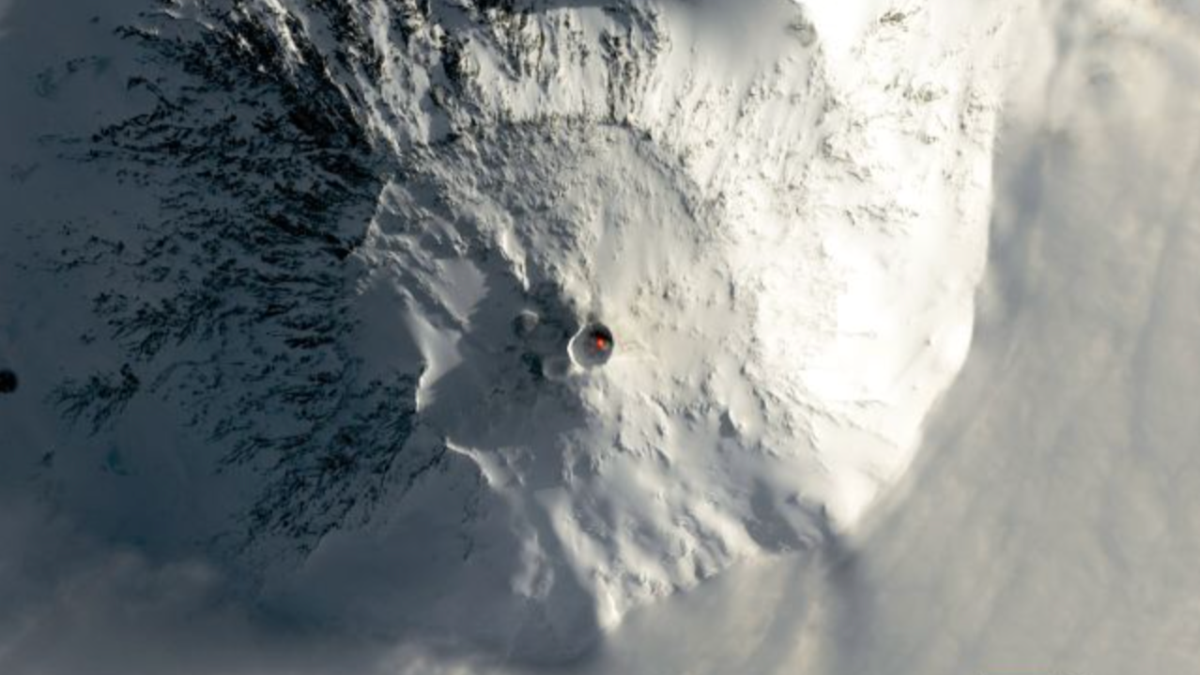
There's a Volcano in Antarctica Spewing Gold Crystals Into The Atmosphere
Scientists don’t know why.

Startling Brain Activity Under Anesthesia Challenges Our Understanding of Consciousness

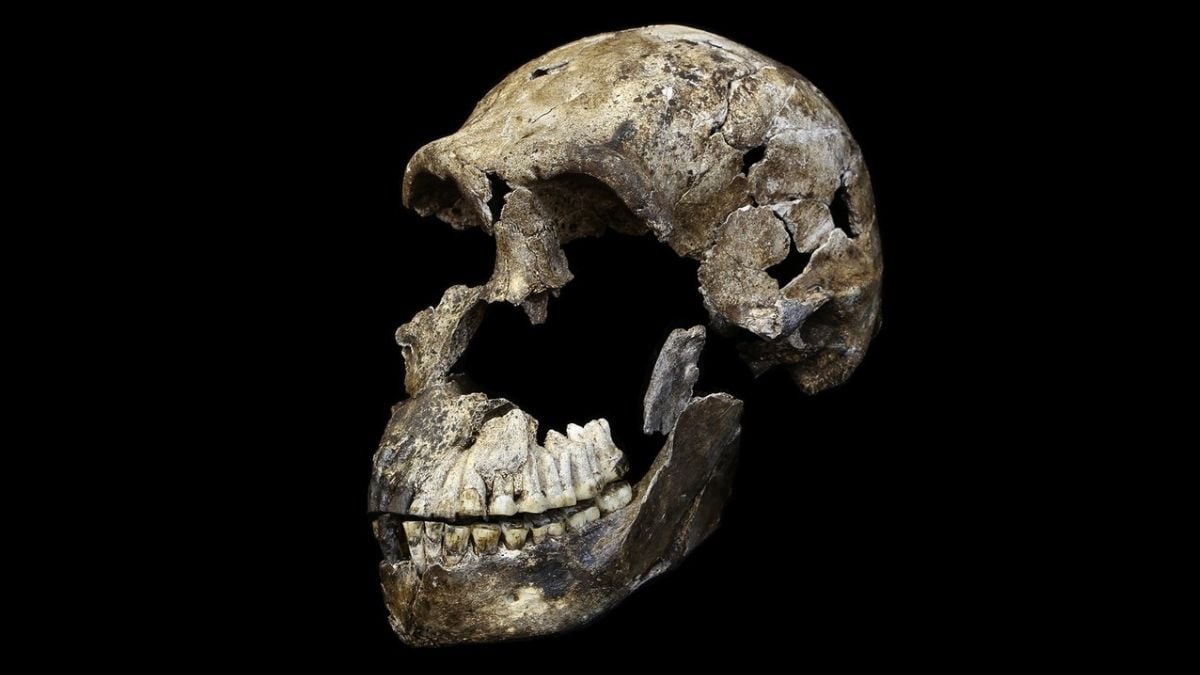
World's Only Known Homo Naledi Burial Site May Be Entirely Female
Could we be looking at an all-female burial chamber?
In partnership with

Analytics on Live Data. No Pipeline. Just Postgres.
Most teams treat analytics as a separate problem. As data grows, they add a warehouse, a pipeline, a sync job. By the time data reaches their dashboard, it's already stale.
TimescaleDB takes a different approach: extend Postgres instead of splitting away from it.
Your transactions and your analytics run on the same database, on live data, with no pipeline in between.
Hypertables partition time-series data automatically as volume grows. Hypercore compression cuts storage by up to 95%. Continuous aggregates pre-compute rollups so dashboards stay fast without re-querying everything.
CERN runs it on Postgres to handle sensor data from the Large Hadron Collider.
No second database. No migration. Same Postgres you already know.